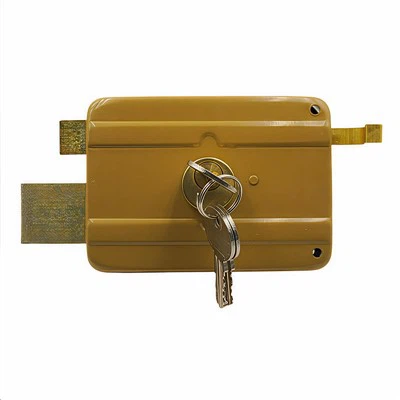
Securing a wooden door lock against forced entry is a crucial aspect of home and business security. As a wooden door lock supplier, I understand the importance of providing effective solutions to protect your property. In this blog post, I will share some valuable insights and practical steps to enhance the security of your wooden door locks.
Understanding the Vulnerabilities of Wooden Door Locks
Wooden doors are a popular choice for their aesthetic appeal and natural warmth. However, they can be more vulnerable to forced entry compared to metal or fiberglass doors. The main weaknesses of wooden door locks lie in the material itself and the installation process.
Wood is a relatively soft material that can be easily damaged or penetrated with tools such as crowbars, hammers, or drills. Additionally, improper installation of door locks can create weak points that can be exploited by intruders. For example, if the strike plate is not securely attached to the door frame, it can be easily pried open.
Choosing the Right Wooden Door Lock
The first step in securing your wooden door is to choose the right lock. There are several types of locks available on the market, each with its own level of security. Here are some factors to consider when selecting a wooden door lock:
- Lock Type: Deadbolts are generally considered the most secure type of lock for wooden doors. They provide a high level of resistance against forced entry by extending a solid metal bolt into the door frame. Look for deadbolts with a minimum bolt throw of 1 inch for maximum security.
- Lock Grade: Locks are graded based on their strength and durability. The most common grades are Grade 1, Grade 2, and Grade 3. Grade 1 locks offer the highest level of security and are recommended for commercial applications or high-risk areas. Grade 2 locks are suitable for most residential applications, while Grade 3 locks are the least secure and are typically used for interior doors or low-traffic areas.
- Key Control: Choose a lock that offers key control features, such as a restricted keyway or a key card system. This will prevent unauthorized duplication of keys and enhance the security of your property.
- Installation: Proper installation is crucial for the effectiveness of any lock. Make sure to follow the manufacturer's instructions carefully and use the appropriate tools and hardware. If you are not confident in your installation skills, consider hiring a professional locksmith.
Enhancing the Security of Your Wooden Door Lock
Once you have chosen the right lock, there are several additional steps you can take to enhance its security:
- Reinforce the Door Frame: The door frame is often the weakest point in a wooden door system. To reinforce it, you can install a door frame reinforcement kit or a strike plate with a long screw. This will prevent the door frame from being easily kicked in or pried open.
- Use a Security Bar or Chain: A security bar or chain can provide an additional layer of protection by preventing the door from being fully opened. Install a security bar or chain at a height that is difficult for an intruder to reach.
- Install a Peephole or Video Doorbell: A peephole or video doorbell allows you to see who is at the door before opening it. This can help you avoid opening the door to strangers or potential intruders.
- Keep Your Keys Secure: Never leave your keys in the door or under the doormat. Instead, keep them in a secure location, such as a key safe or a locked drawer. If you lose your keys, make sure to change the locks immediately.
Additional Security Measures
In addition to securing your wooden door lock, there are several other security measures you can implement to protect your property:
- Install a Security System: A security system can provide 24/7 monitoring and alert you to any suspicious activity. Look for a system that includes features such as motion sensors, door and window sensors, and a control panel.
- Use Outdoor Lighting: Outdoor lighting can deter intruders by illuminating your property and making it more visible. Install motion-activated lights around your doors and windows to provide additional security.
- Trim Trees and Bushes: Overgrown trees and bushes can provide cover for intruders. Trim them regularly to ensure that there are no hiding places around your property.
- Join a Neighborhood Watch Program: A neighborhood watch program can help you stay informed about any suspicious activity in your area and provide additional security through community involvement.
Conclusion
Securing a wooden door lock against forced entry is an important step in protecting your property and ensuring your safety. By choosing the right lock, enhancing its security, and implementing additional security measures, you can significantly reduce the risk of a break-in. As a wooden door lock supplier, I am committed to providing high-quality products and expert advice to help you secure your property. If you have any questions or need assistance with choosing the right lock for your wooden door, please [contact us] for a consultation.


References
- "Home Security: How to Protect Your Home from Burglars." Consumer Reports.
- "The Ultimate Guide to Door Locks." Bob Vila.
- "Securing Your Home: Tips and Tricks." FBI.