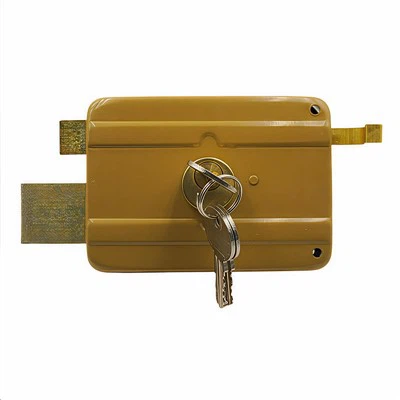
Rust is a common and troublesome issue that can significantly impact the functionality and aesthetic appeal of push pad door locks. As a supplier of push pad door locks, I understand the importance of providing customers with practical solutions to prevent rust. In this blog, I'll share some scientific and effective methods to keep your push pad door locks rust - free.
Understanding the Causes of Rust
Before delving into prevention methods, it's crucial to understand what causes rust. Rust is the result of a chemical reaction called oxidation. When iron or steel in the door lock comes into contact with oxygen and moisture, a series of chemical reactions occur, leading to the formation of iron oxide, which we commonly know as rust.
Moisture is the primary culprit. In humid environments, such as bathrooms, basements, or areas near the sea, the high humidity provides an ideal condition for rust formation. Even in normal environments, water splashes from cleaning or accidental spills can also trigger the rusting process. Additionally, if the door lock is exposed to chemicals like salt (for example, in coastal areas), it can accelerate the oxidation process.

Selecting High - Quality Materials
One of the fundamental ways to prevent rust is to start with high - quality materials during the manufacturing process. As a push pad door locks supplier, we offer a range of locks made from corrosion - resistant materials.
Stainless steel is an excellent choice. It contains chromium, which forms a thin, invisible layer of chromium oxide on the surface. This layer acts as a protective barrier, preventing oxygen and moisture from reaching the iron in the steel. Our Push Bar Lock is often made from high - grade stainless steel, ensuring long - term resistance to rust even in harsh environments.
Brass is another great option. Brass is an alloy of copper and zinc. Copper has natural anti - corrosion properties, and zinc also helps to protect the surface. Our Privacy Lock made from brass not only looks elegant but also offers good rust prevention.

Proper Surface Treatment
In addition to using high - quality materials, proper surface treatment can further enhance the rust - prevention ability of push pad door locks.
-
Galvanization: Galvanizing is a process where a thin layer of zinc is applied to the surface of the metal. Zinc is more reactive than iron, so when exposed to oxygen and moisture, the zinc corrodes first, sacrificing itself to protect the underlying iron. This sacrificial protection significantly slows down the rusting process of the door lock.
-
Powder Coating: Powder coating involves applying a dry powder to the surface of the lock and then heating it to form a hard, protective layer. This layer acts as a physical barrier, preventing moisture and oxygen from reaching the metal. Powder coating also comes in a variety of colors, allowing for customization while providing rust protection.
-
Chrome Plating: Chrome plating not only gives the door lock a shiny and attractive appearance but also provides excellent corrosion resistance. The chrome layer is hard and smooth, making it difficult for moisture to adhere to the surface.
Installation and Maintenance
Proper installation and regular maintenance are also essential for preventing rust on push pad door locks.
Installation
- Avoid Contact with Moisture - Prone Areas: When installing the door lock, try to avoid areas that are frequently exposed to water, such as directly above a sink or in a location where water can splash easily. If the installation is in a bathroom or a laundry room, ensure proper ventilation to reduce humidity.
- Use Gaskets and Seals: Install gaskets or seals around the door lock to prevent water and moisture from seeping into the lock mechanism. These gaskets can also help to keep out dust and debris, which can contribute to rust formation over time.
Maintenance
- Regular Cleaning: Clean the door lock regularly with a soft, dry cloth to remove dust, dirt, and any moisture that may have accumulated on the surface. For stubborn dirt, you can use a mild soap solution, but make sure to dry the lock thoroughly afterward.
- Lubrication: Apply a small amount of lubricant to the moving parts of the lock, such as the bolt and the keyway. This not only ensures smooth operation but also helps to protect the metal from moisture. However, be careful not to over - lubricate, as excess lubricant can attract dust and dirt.
- Inspect Regularly: Periodically inspect the door lock for any signs of rust or damage. If you notice any small rust spots, you can remove them immediately using a fine - grit sandpaper or a rust remover. Then, apply a protective coating to the affected area.
Environmental Considerations
The environment where the push pad door lock is installed plays a significant role in rust prevention.

- Humidity Control: In areas with high humidity, consider using a dehumidifier to reduce the moisture level in the air. This can be particularly useful in basements, bathrooms, and storage rooms.
- Avoid Exposure to Chemicals: Keep the door lock away from chemicals such as cleaning agents, solvents, and salt. If the lock accidentally comes into contact with these substances, clean it immediately with water and dry it thoroughly.
Conclusion
Preventing rust on push pad door locks requires a combination of selecting high - quality materials, proper surface treatment, correct installation, regular maintenance, and environmental control. As a push pad door locks supplier, we are committed to providing customers with high - quality, rust - resistant locks. Our Self Locking Door is designed with rust prevention in mind, using the latest materials and manufacturing techniques.
If you are interested in our push pad door locks or have any questions about rust prevention, please feel free to contact us for further discussion and procurement negotiations. We are always ready to offer you the best solutions for your door locking needs.

References
- Smith, J. (2018). Corrosion Prevention in Metal Products. Metalworking Journal, 25(3), 45 - 52.
- Brown, A. (2019). The Science of Rust and How to Stop It. Home Improvement Magazine, 12(4), 67 - 73.
- Johnson, R. (2020). Best Practices for Maintaining Door Locks. Security Systems Review, 18(2), 32 - 39.