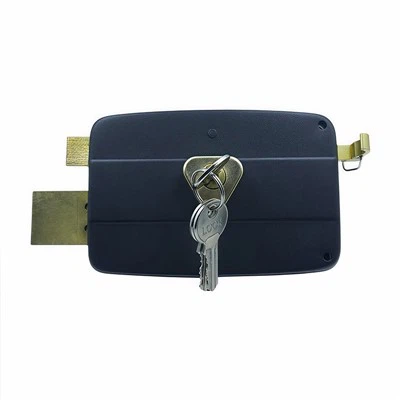
Hey there! As a side door lock supplier, I've seen my fair share of locks that aren't working as smoothly as they should. One of the most common issues is a lack of proper lubrication. In this blog post, I'll walk you through how to lubricate a side door lock, so you can keep your locks in tip-top shape.
Why Lubricate Your Side Door Lock?
First off, let's talk about why lubricating your side door lock is so important. Over time, dirt, dust, and debris can build up inside the lock mechanism. This can cause the lock to become stiff, making it difficult to insert or turn the key. If left untreated, this can lead to more serious problems, like a broken key or a jammed lock.
Lubrication helps to reduce friction between the moving parts of the lock. This makes it easier to operate the lock, extends its lifespan, and prevents wear and tear. Plus, a well-lubricated lock is less likely to attract dirt and debris in the first place.


What You'll Need
Before you start lubricating your side door lock, you'll need to gather a few supplies. Here's what you'll need:
- Lubricant: You can use a graphite-based lubricant or a silicone-based lubricant. Graphite lubricants are great because they're dry and won't attract dirt. Silicone lubricants are also a good choice because they're long-lasting and can withstand a wide range of temperatures.
- Cotton swabs or a small brush: You'll use these to apply the lubricant to the lock mechanism.
- Key: You'll need your key to test the lock after lubricating it.
Step-by-Step Guide to Lubricating Your Side Door Lock
Now that you have everything you need, let's get started! Here's a step-by-step guide to lubricating your side door lock:
Step 1: Clean the Lock
Before you apply any lubricant, it's important to clean the lock to remove any dirt, dust, or debris. You can use a can of compressed air to blow out any loose particles. If there's a lot of dirt or grime, you can use a cotton swab dipped in rubbing alcohol to clean the keyway and the outside of the lock.
Step 2: Apply the Lubricant
Once the lock is clean, it's time to apply the lubricant. If you're using a graphite-based lubricant, you can use the applicator that comes with the can to spray the lubricant directly into the keyway. Make sure to spray the lubricant evenly along the entire length of the keyway.
If you're using a silicone-based lubricant, you can apply it using a cotton swab or a small brush. Dip the cotton swab or brush into the lubricant and then apply it to the keyway and the moving parts of the lock. Be careful not to use too much lubricant, as this can attract dirt and cause the lock to become sticky.
Step 3: Work the Lubricant In
After applying the lubricant, insert your key into the lock and turn it back and forth a few times. This will help to work the lubricant into the lock mechanism and distribute it evenly. You may need to do this several times to ensure that the lubricant has reached all the moving parts.
Step 4: Wipe Away Excess Lubricant
Once you've worked the lubricant into the lock, use a clean cotton swab or a dry cloth to wipe away any excess lubricant. This will prevent the lubricant from dripping onto the door or the floor.
Step 5: Test the Lock
Finally, test the lock to make sure it's working smoothly. Insert your key into the lock and turn it to lock and unlock the door. If the lock is still stiff or difficult to operate, you may need to apply more lubricant and repeat the process.
Tips for Maintaining Your Side Door Lock
Lubricating your side door lock is just one part of maintaining it. Here are some additional tips to keep your locks in good condition:
- Keep the Lock Clean: Regularly clean the lock to remove dirt, dust, and debris. You can use a can of compressed air or a cotton swab dipped in rubbing alcohol to clean the keyway and the outside of the lock.
- Avoid Using Excessive Force: Don't force the key into the lock or turn it too hard. This can damage the lock mechanism and cause the key to break.
- Replace Worn Keys: If your key is worn or damaged, replace it as soon as possible. A worn key can cause the lock to wear out faster and may not work properly.
- Inspect the Lock Regularly: Check the lock for any signs of damage or wear, such as loose screws or a broken keyway. If you notice any problems, have the lock repaired or replaced as soon as possible.
Different Types of Side Door Locks
As a side door lock supplier, I offer a variety of different types of side door locks to meet your needs. Here are some of the most popular types of side door locks:
- Push Lock: Push locks are easy to use and are a great option for doors that don't require a high level of security. They typically have a push-button mechanism that allows you to lock and unlock the door with a simple push.
- Push Bar Lock: Push bar locks are commonly used on commercial doors and emergency exits. They have a horizontal bar that you can push to unlock the door. Push bar locks are designed to be easy to operate in an emergency situation.
- Small Door Lock: Small door locks are perfect for use on cabinets, sheds, and other small doors. They are typically compact and easy to install, and they come in a variety of styles and finishes to match your decor.
Conclusion
Lubricating your side door lock is a simple and effective way to keep it working smoothly and extend its lifespan. By following the steps outlined in this blog post and taking good care of your locks, you can ensure that your doors remain secure and easy to operate.
If you're in the market for a new side door lock or need help with lock maintenance, I'd love to hear from you. As a side door lock supplier, I have a wide range of high-quality locks to choose from, and I'm always happy to provide expert advice and assistance. Contact me today to discuss your needs and let's start the conversation about finding the perfect lock for your doors.
References
- "How to Lubricate a Door Lock." Family Handyman.
- "Maintaining Your Door Locks." This Old House.