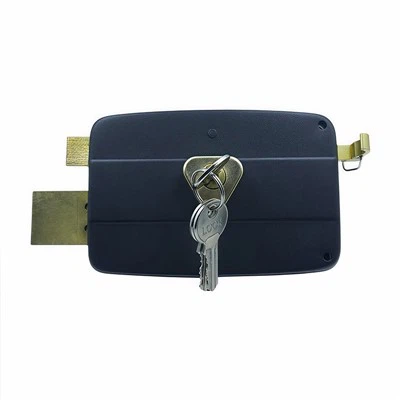
Hey there! As a supplier of Self Locking Doors, I often get asked about whether these doors are compliant with the Americans with Disabilities Act (ADA) regulations. It's a crucial question, and in this blog, I'll break it all down for you.
First off, let's understand what the ADA is all about. The Americans with Disabilities Act was passed in 1990 to ensure that people with disabilities have equal access to public facilities, employment, and services. When it comes to doors, the ADA has specific requirements to make sure that everyone, regardless of their physical abilities, can use them safely and easily.
One of the key aspects of ADA compliance for doors is the force required to open them. The ADA states that interior doors should require no more than 5 pounds of force to open after the latch has been released. This is to ensure that people with limited strength, such as those using wheelchairs or with mobility issues, can open the doors without excessive effort.
So, how do self - locking doors stack up against this requirement? Well, most modern self - locking doors are designed to meet this standard. They use mechanisms that are not overly tight and allow for easy operation. For example, the Self Locking Door we supply is engineered with precision to ensure that the force needed to open it is well within the ADA limit.
Another important factor is the height and placement of the door handle. The ADA mandates that door handles should be installed between 34 and 48 inches above the floor. This range is designed to be accessible for people of different heights, including those in wheelchairs. Our self - locking doors come with handles that are carefully positioned within this range, making them compliant with the ADA regulations.
Let's also talk about the type of lock used on self - locking doors. There are various types of locks, and not all of them are ADA - compliant. For instance, some complex locking mechanisms that require a lot of dexterity to operate may not be suitable for people with disabilities. However, our Privacy Lock is designed with simplicity in mind. It can be easily engaged and disengaged, even by people with limited hand function.
Now, the shape of the door lock can also play a role in ADA compliance. Round door locks, like our Round Door Lock, are often a good choice. They are easy to grip and turn, which is important for people with different levels of hand strength. The smooth surface and rounded shape make them accessible for a wide range of users.
It's also worth mentioning that the ADA has requirements for door closers. Door closers should close the door slowly and smoothly, giving people enough time to pass through without getting caught. Our self - locking doors are equipped with high - quality door closers that are adjustable to meet the ADA's speed and force requirements.


However, it's important to note that just because a self - locking door has features that seem ADA - compliant doesn't mean it's automatically so. Every installation is different, and there are other factors that can affect compliance. For example, the alignment of the door, the condition of the hinges, and the overall building environment can all impact whether a door truly meets the ADA standards.
That's why it's crucial to work with a knowledgeable supplier. We've been in the business for years, and we understand the ins and outs of ADA compliance. We can help you choose the right self - locking door for your specific needs and ensure that it's installed correctly to meet all the regulations.
If you're a building owner, architect, or contractor, you have a responsibility to make sure that the doors in your project are ADA - compliant. Not only is it the law, but it's also the right thing to do. By providing accessible doors, you're creating an inclusive environment for everyone.
So, if you're in the market for self - locking doors and want to ensure ADA compliance, look no further. Our team of experts is here to assist you every step of the way. Whether you need advice on the best type of lock, help with installation, or just want to learn more about ADA regulations, we've got you covered.
If you're interested in purchasing our self - locking doors or have any questions about ADA compliance, don't hesitate to reach out. We're always happy to have a chat and help you find the perfect solution for your project.
In conclusion, self - locking doors can be fully compliant with ADA regulations if they are designed, installed, and maintained correctly. Our products are carefully crafted to meet these standards, and we're committed to providing you with the best possible solutions.
References
- Americans with Disabilities Act of 1990
- ADA Accessibility Guidelines for Buildings and Facilities